


-

Add: HeBei ShengShi HongBang Cellulose Technology CO.,LTD.
-

Email
13180486930@163.com -

CONTACT US
+86 13180486930
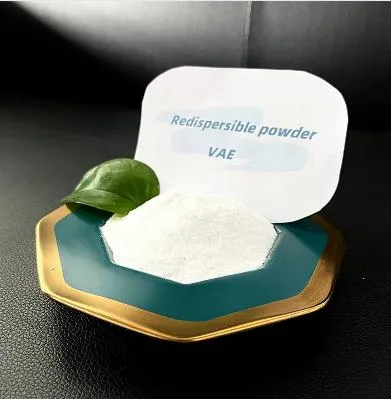
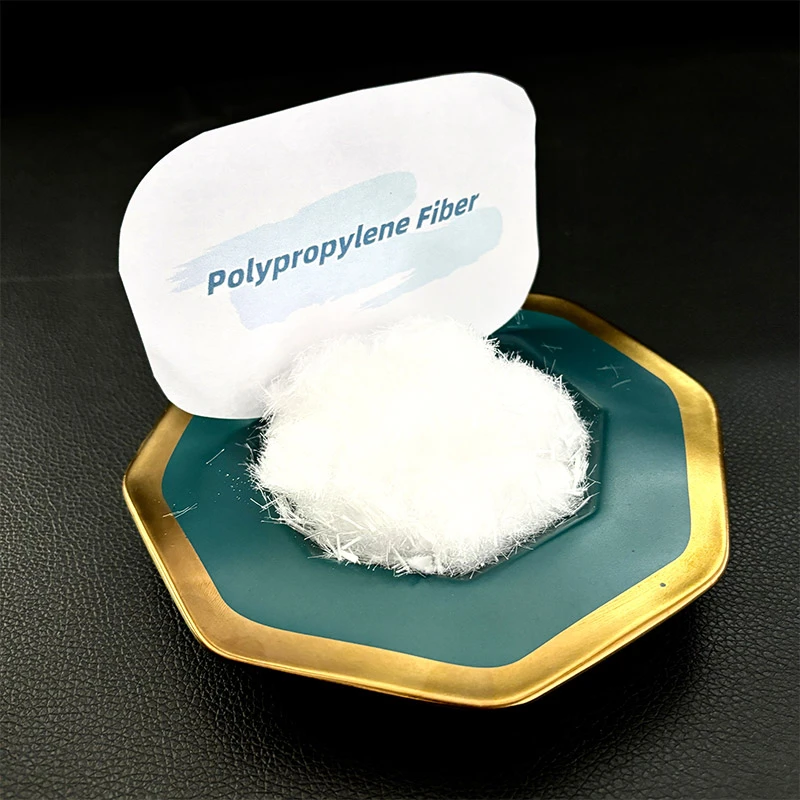
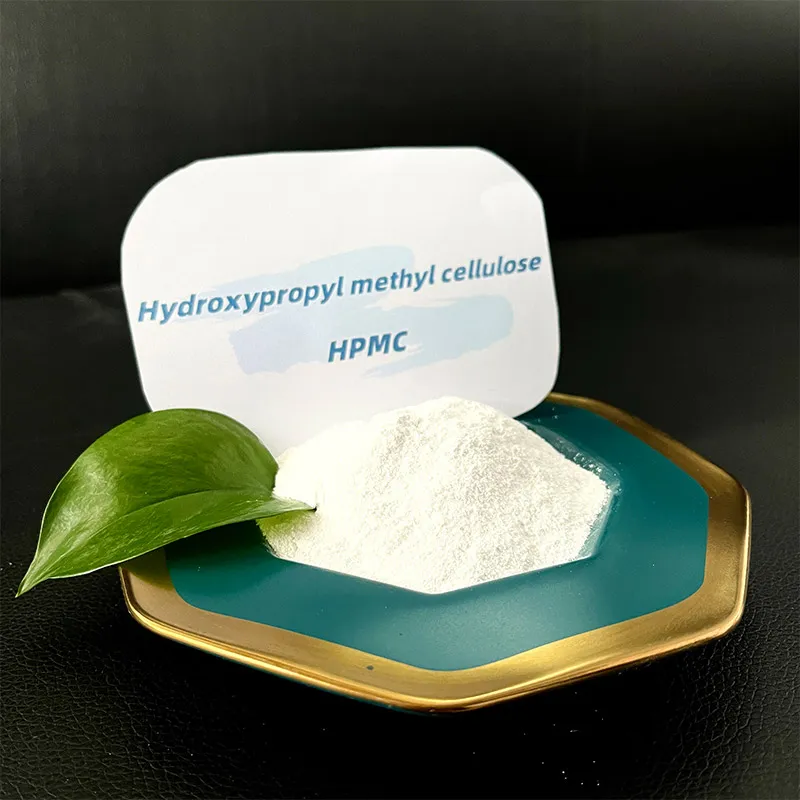
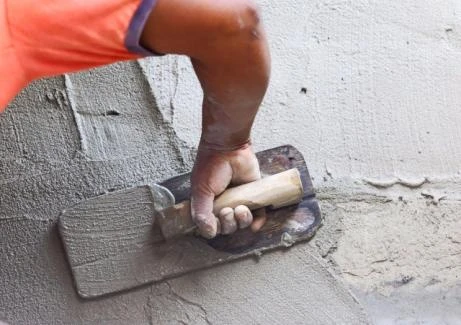


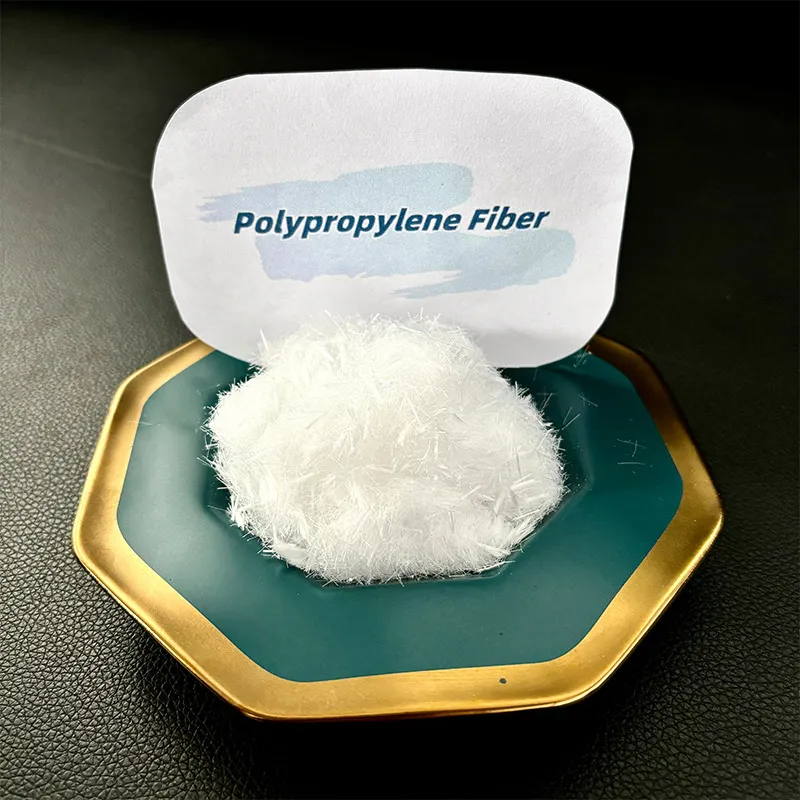
Polypropylene Fiber is a key solution in the manufacturing industry, specifically within Manufacturing of building materials and Concrete admixture. This article explores how HeBei ShengShi HongBang Cellulose Technology CO.,LTD. supports professionals with durable, high-performance products, and explains why this product is an ideal choice for businesses in these sectors. Table of Contents Polypropylene Fiber Overview Benefits & Use Cases of Polypropylene Fiber in Concrete admixture Cost, Maintenance & User Experience Sustainability & Market Trends in manufacturing Conclusion on Polypropylene Fiber from HeBei ShengShi HongBang Cellulose Technology CO.,LTD. Polypropylene Fiber Overview Polypropylene fiber—also known as PP fiber, polypropylene fibre, or microfiber synthetic—is a high-performance additive used to control cracking, enhance toughness, and improve durability in cementitious materials. In the Manufacturing of building materials, especially Concrete admixture, these fibers disperse uniformly to bridge micro-cracks formed during plastic shrinkage and early drying. Typical PP fibers feature a specific gravity around 0.91, excellent chemical and alkali resistance, and a melting point in the 160–170°C range. They are non-corrosive, hydrophobic, and compatible with common admixtures, making them a versatile choice for ready-mix, precast, and shotcrete operations. HeBei ShengShi HongBang Cellulose Technology CO.,LTD. manufactures consistent, easy-dosing pp fiber products engineered for high dispersion and reliable performance in pp fiber concrete. Standard microfibers are commonly dosed between 0.6–1.0 kg/m³ for shrinkage crack control, while higher dosages can be tailored for impact resistance and spalling mitigation. The company’s rigorous quality management and application know-how help B2B decision makers standardize performance across projects, reduce variability at the batch plant, and streamline specification to meet ASTM C1116-type requirements for fiber-reinforced concrete. Benefits & Use Cases of Polypropylene Fiber in Concrete admixture In concrete and mortar, Polypropylene Fiber delivers measurable performance gains where early-age cracking, abrasion, and impact are concerns. Typical applications include industrial floors and slabs-on-grade, screeds and toppings, precast elements, pavements, overlays, repair mortars, tunnel shotcrete, and façade renders. As a microfiber synthetic, PP fiber forms a three-dimensional reinforcement network that reduces plastic shrinkage cracks, enhances surface integrity, and mitigates explosive spalling risk under fire exposure in certain mixes. For shotcrete and high-rebound environments, optimized fiber geometry improves pumpability and finish, while maintaining cohesion. Crack control: Limits plastic shrinkage cracking and early-age micro-cracks, improving durability and aesthetics. Non-corrosive: Unlike steel, PP fibers do not rust, ideal for de-icing salt or marine-exposed structures. Ease of dosing: Uniform dispersion, low risk of balling, and compatibility with superplasticizers. Finish-friendly: Fine monofilament fibers maintain trowelability and surface finish quality. HeBei ShengShi HongBang Cellulose Technology CO.,LTD. supports concrete producers and contractors with technical guidance on mix design, fiber length selection (e.g., 3–19 mm), and target dosages to meet project-specific requirements. Their portfolio helps specifiers replace or reduce secondary steel mesh in selected applications, simplifying logistics while maintaining performance in pp fiber concrete. Cost, Maintenance & User Experience Total cost of ownership with Polypropylene Fiber is driven by lower crack-related callbacks, reduced reliance on secondary reinforcement in certain use cases, and minimized labor for placement and fixing of mesh. While unit cost per kilogram can appear higher than traditional reinforcement on a weight basis, PP fiber delivers value by reducing material handling, speeding placement, and improving as-cast durability. Owners benefit from fewer repairs due to plastic shrinkage cracks and better long-term surface performance under abrasion and thermal cycling. Customers in the Manufacturing of building materials sector report consistent dispersion, predictable set behavior, and stable slump retention when fibers are properly integrated with admixture packages. Precasters appreciate cycle-time reliability and surface finish quality, while ready-mix producers highlight reduced variability at the plant when using standardized dosing protocols. With no corrosion risk and minimal maintenance implications, the ROI for PP fiber often appears within the first maintenance cycle by lowering remedial work, especially on slabs, pavements, and high-traffic industrial floors. Sustainability & Market Trends in manufacturing Sustainability priorities are reshaping concrete specifications worldwide. Fibers that extend service life and reduce repair frequency help lower embodied carbon over a structure’s lifecycle. By enabling the reduction or substitution of certain secondary steel reinforcement in appropriate applications, Polypropylene Fiber can also cut transport emissions and jobsite waste. As regulatory frameworks evolve and green rating systems emphasize durability, crack control, and resilience, fiber-reinforced mixes are increasingly favored in infrastructure, industrial, and precast segments. HeBei ShengShi HongBang Cellulose Technology CO.,LTD. invests in quality control and product consistency to support lower material waste, while offering guidance to optimize dosage and mix designs that balance performance with environmental goals. Forward-looking trends include integration of fibers in low-clinker binders, synergy with shrinkage-reducing admixtures, and broader adoption of microfiber synthetic solutions in 3D printed concrete and advanced overlays. The company’s commitment to reliable supply and technical support helps B2B teams standardize greener, longer-lasting solutions across their portfolios. Conclusion on Polypropylene Fiber from HeBei ShengShi HongBang Cellulose Technology CO.,LTD. Polypropylene Fiber empowers manufacturers and contractors to deliver tougher, more reliable concrete and mortar by controlling early-age cracking, improving durability, and simplifying placement. For B2B decision makers in Manufacturing of building materials and Concrete admixture, HeBei ShengShi HongBang Cellulose Technology CO.,LTD. provides consistent, easy-to-spec products backed by technical expertise and dependable supply. Elevate quality and reduce lifecycle costs with proven PP fiber solutions. Contact us: email: 13180486930@163.com Visit our website: https://www.sshbhpmc.com
- 40000tons

Production
- 20+years

Experience
- 5000+㎡

Acreage

-
Rubber powder coating has quietly risen to prominence in the coating industry, capturing the interest of manufacturers and DIY enthusiasts alike. Its increasing popularity stems from its remarkable ability to provide a durable, protective layer with a unique set of properties that traditional coatings fail to offer. This article delves into the technicalities, benefits, and applications of rubber powder coating, shedding light on why it’s becoming a go-to choice in diverse sectors. Rubber powder coating combines the resilient and flexible properties of rubber with the robustness of a powder coat . Unlike liquid coatings which rely on solvents and VOCs (volatile organic compounds), rubber powder coatings are applied in a dry powder form and cured under heat or with ultraviolet light, allowing for a safer and more environmentally friendly process. This method not only reduces harmful emissions but also minimizes waste, which is an attractive advantage in today’s environmentally conscious market. From an expert's perspective, one of the standout features of rubber powder coating is its elasticity. This means that the coating is capable of expanding and contracting without cracking, making it particularly beneficial in environments subject to extreme temperature variations or mechanical stresses. The elastic nature ensures a continuous and protective barrier even when the substrate underneath is in constant motion. In terms of applications, rubber powder coating is incredibly versatile. It finds use in automotive and marine industries where its resistance to abrasion and corrosion is highly valued. The coating effectively protects metal surfaces from rust and pitting, extending the lifespan of components like vehicle underbodies and marine hardware. Moreover, the construction industry utilizes rubber powder coatings for tools and equipment that face wear and tear, leveraging its anti-slip properties to enhance safety. The application process of rubber powder coating further contributes to its growing popularity. It can be applied at varying thicknesses to suit different performance needs without compromising on quality. Lower thicknesses are optimal for projects requiring finesse, while higher builds offer superior protection for heavy-duty applications. This flexibility allows businesses to tailor their approach based on specific requirements, optimizing both performance and cost-efficiency. rubber powder coating Adding to its list of advantages, rubber powder coatings are available in a multitude of colors and finishes, which widens its appeal for aesthetic applications. From homeware to consumer electronics, its potential to offer both protection and style makes it a preferred choice among manufacturers looking to innovate product design without sacrificing quality. In reinforcing trustworthiness, manufacturers and applicators of rubber powder coatings emphasize rigorous quality control standards and thorough testing to ensure each batch meets stringent performance criteria. Customers are assured of receiving reliable and consistent products that meet or exceed industry standards. Furthermore, adherence to environmental regulations and sustainable practices in production processes bolsters the credibility and authority of companies in this market. Finally, the ease of maintenance associated with rubber powder coatings cannot be overlooked. Its seamless finish makes it resistant to dirt and contaminants, and should cleaning be necessary, the surface can be easily wiped down with minimal risk of damage. This attribute is particularly appealing in high-traffic areas or environments where hygiene is paramount. In essence, rubber powder coating represents a fusion of innovation and practicality. Its amalgamation of elasticity, environmental compatibility, and customization potential positions it as the future of protective coatings. By integrating these features, industries stand to not only enhance product longevity and performance but also align with the growing trend towards sustainable solutions. As the market evolves, the role of rubber powder coating will undoubtedly expand, paving the way for further innovations that meet the demands of tomorrow’s challenges.
-
Understanding Cellulose Derived from Wood Cellulose is one of the most essential organic polymers found in nature, and it plays a crucial role in the structure of plants. In particular, cellulose derived from wood is of great significance in various industries, including paper production, textiles, and bioplastics. This article delves into what cellulose is, how it is derived from wood, and its applications in various fields. What is Cellulose? Cellulose is a complex carbohydrate, specifically a polysaccharide, composed of long chains of glucose molecules linked by β-1,4-glycosidic bonds. It serves as a fundamental building block in the cell walls of plants, providing structural support and rigidity. Unlike starch, which is used by plants as an energy source, cellulose is not digestible by humans; however, it plays a vital role in the human diet as dietary fiber, contributing to digestive health. How is Cellulose Derived from Wood? Wood is primarily composed of three types of polymers cellulose, hemicellulose, and lignin. Among these, cellulose is the most abundant, typically constituting about 40-50% of the wood mass. The extraction of cellulose from wood involves several stages 1. Harvesting and Processing Trees are harvested, and the wood is processed into smaller chips to facilitate further treatment. 2. Delignification The next step is to remove lignin, which serves as a glue-like substance binding cellulose fibers together. This process is often conducted using chemical methods, such as kraft pulping or sulfite pulping, which break down the lignin while preserving the cellulose fibers. 3. Bleaching After delignification, the resultant cellulose pulp may undergo a bleaching process to remove any residual lignin and improve the whiteness of the pulp. This step ensures that the cellulose is suitable for applications that require high purity, such as paper and textiles. 4. Purification Finally, the cellulose can be further purified through washing and drying processes, resulting in a high-quality cellulose product. apa itu selulosa yang terbuat dari kayu Applications of Cellulose from Wood The versatility of cellulose leads to its use in a wide range of applications. Some prominent uses include 1. Paper Production Cellulose is the main component in the production of paper and cardboard. The properties of cellulose fibers, such as their strength and flexibility, make them ideal for this purpose. The paper industry heavily relies on wood-based cellulose to produce everything from newspapers to high-quality printing paper. 2. Textiles Cellulose is used to produce various types of fibers, such as rayon and lyocell. These fibers are used in clothing, upholstery, and other textile products. The cellulose-derived fibers are biodegradable and provide an alternative to synthetic fibers, aligning with sustainable fashion practices. 3. Bioplastics With the growing concern over environmental sustainability, cellulose is being explored as a raw material for bioplastics. These biodegradable plastics can be manufactured from cellulose and serve as eco-friendly alternatives to conventional petroleum-based plastics. 4. Food Industry In the food industry, cellulose is used as a food additive, serving as a stabilizer, thickening agent, or emulsifier. It helps improve the texture and shelf-life of various food products. 5. Pharmaceuticals and Cosmetics Cellulose is also employed in the pharmaceutical and cosmetic industries. It is used as a binder in tablets and as a thickener in creams and lotions. Conclusion Cellulose, particularly that derived from wood, is a remarkable natural polymer with an extensive range of applications. Its unique structural properties make it indispensable in various industries, enriching our daily lives in multiple ways. The continuous exploration of cellulose's properties and potentials also paves the way for innovative and sustainable applications, contributing to the broader goal of environmental conservation. As industries shift towards more sustainable practices, cellulose stands out as a key material in fostering a greener future.
advantages
-

200000 Viscosities
Excellent product
We can produce pure products up to 200,000 viscosities
-

40000 tons
High yield
We don’t stop production all year round, and the annual output can reach 40,000 tons
-

24 hours
Quality service
We provide 24-hours online reception service, welcome to consult at any time
———— Inquiry Form
Schedule A services

-
 fiberglass_fibers_for_concrete
Oct . 25, 2025
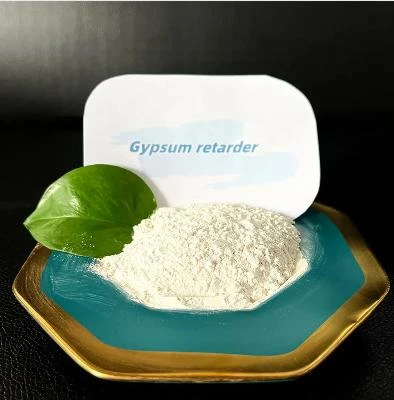
In the construction industry, particularly in plastering, retarder in gypsum plays a crucial role in -
 ether_d_amidon_dans_la_colle_a_carrelage
Oct . 25, 2025
The Versatile Uses of Crumb Rubber Powder Crumb rubber powder, a product derived from the recycling -
 polypropylene_fiber_applications
Oct . 25, 2025
Hydroxypropyl Methylcellulose (HPMC) is an essential polymer used across various industries due to i


